Personnel Writer-Diaz Reece
If you're contemplating SMILE eye surgical procedure, consider this: are you prepared to welcome possible aesthetic freedom, or does the thought of any kind of threats make you hesitate? Show Me About Cataract Surgery will rest on a careful equilibrium of considering the advantages versus the uncertainties. It's vital to dig much deeper into the subtleties of SMILE surgical procedure to make an educated selection that aligns with your aesthetic objectives.
Comprehending SMILE Eye Surgical Procedure
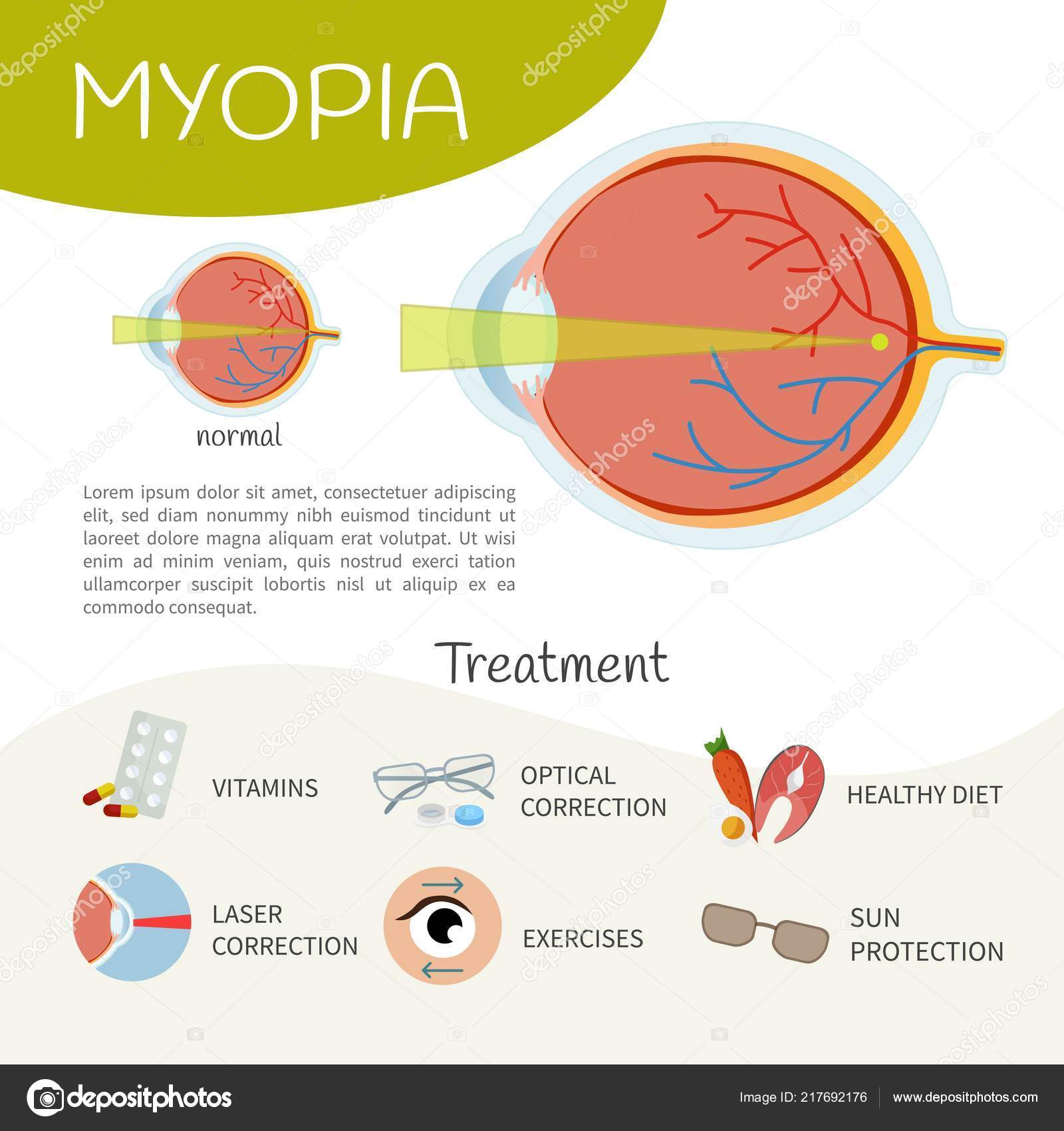
When taking into consideration SMILE Eye Surgical procedure, it is essential to comprehend the treatment and its advantages. SMILE, which represents Little Laceration Lenticule Extraction, is a minimally intrusive laser eye surgical procedure that remedies typical vision problems like myopia (nearsightedness).
During the treatment, your eye specialist will use a femtosecond laser to develop a tiny cut in your cornea. With this incision, a small disc of tissue called a lenticule is removed, improving the cornea and correcting your vision.
One of the key benefits of SMILE Eye Surgery is its fast recuperation time. Lots of individuals experience boosted vision within a day or two after the procedure, with minimal pain.
Additionally, SMILE is known for its high success rate in providing long-lasting vision adjustment. Unlike LASIK, SMILE doesn't require the production of a flap in the cornea, reducing the danger of difficulties and allowing for an extra stable corneal structure post-surgery.
Understanding the procedure and its benefits is critical when thinking about SMILE Eye Surgical procedure for vision modification.
Advantages and disadvantages of SMILE
Considering SMILE Eye Surgical treatment for vision correction comes with various advantages and potential drawbacks.
Among the primary pros of SMILE is its minimally invasive nature, as it includes a tiny cut and typically results in fast healing times. How To Find The Best Doctor For Cataract Surgery is likewise known for causing very little pain and completely dry eye symptoms post-surgery contrasted to other vision modification methods. Furthermore, SMILE has actually been revealed to supply superb visual end results, with lots of people attaining 20/20 vision or much better.
On the other hand, a possible con of SMILE is that it may not appropriate for individuals with extreme refractive errors, as the treatment variety is somewhat limited contrasted to LASIK. Another consideration is that the understanding contour for surgeons executing SMILE can influence the schedule of experienced suppliers in particular areas.
It's important to evaluate these advantages and disadvantages carefully when determining if SMILE is the best selection for your vision adjustment needs.
Establishing Qualification for SMILE
To determine if you're eligible for SMILE eye surgical procedure, your eye doctor will certainly conduct a complete assessment of your eye health and wellness and vision requirements. During this assessment, variables such as the stability of your vision prescription, the density of your cornea, and the total wellness of your eyes will certainly be examined.
Usually, candidates for SMILE are over 22 years old, have a stable vision prescription for at the very least a year, and have healthy corneas without problems like keratoconus.
Your ophthalmologist will likewise consider your total eye wellness, any existing eye problems, and your lifestyle needs to determine if SMILE is the appropriate choice for you. It's essential to communicate any specific visual needs or problems you may have throughout this assessment to ensure that the treatment lines up with your expectations.
If you aren't qualified for SMILE, your optometrist might recommend alternative vision correction choices that far better match your individual demands and eye health and wellness standing.
Conclusion
Inevitably, choosing whether SMILE eye surgical treatment is right for you needs mindful factor to consider of your individual eye health and wellness and visual needs. Talk to your ophthalmologist to establish your eligibility for the procedure and consider the potential benefits and drawbacks. Bear in mind to connect any worries or inquiries you might have throughout the evaluation procedure to make an enlightened choice concerning your vision modification options.